


Menu


Posted Apr 27, 2026 by Ingrid Lorenzi
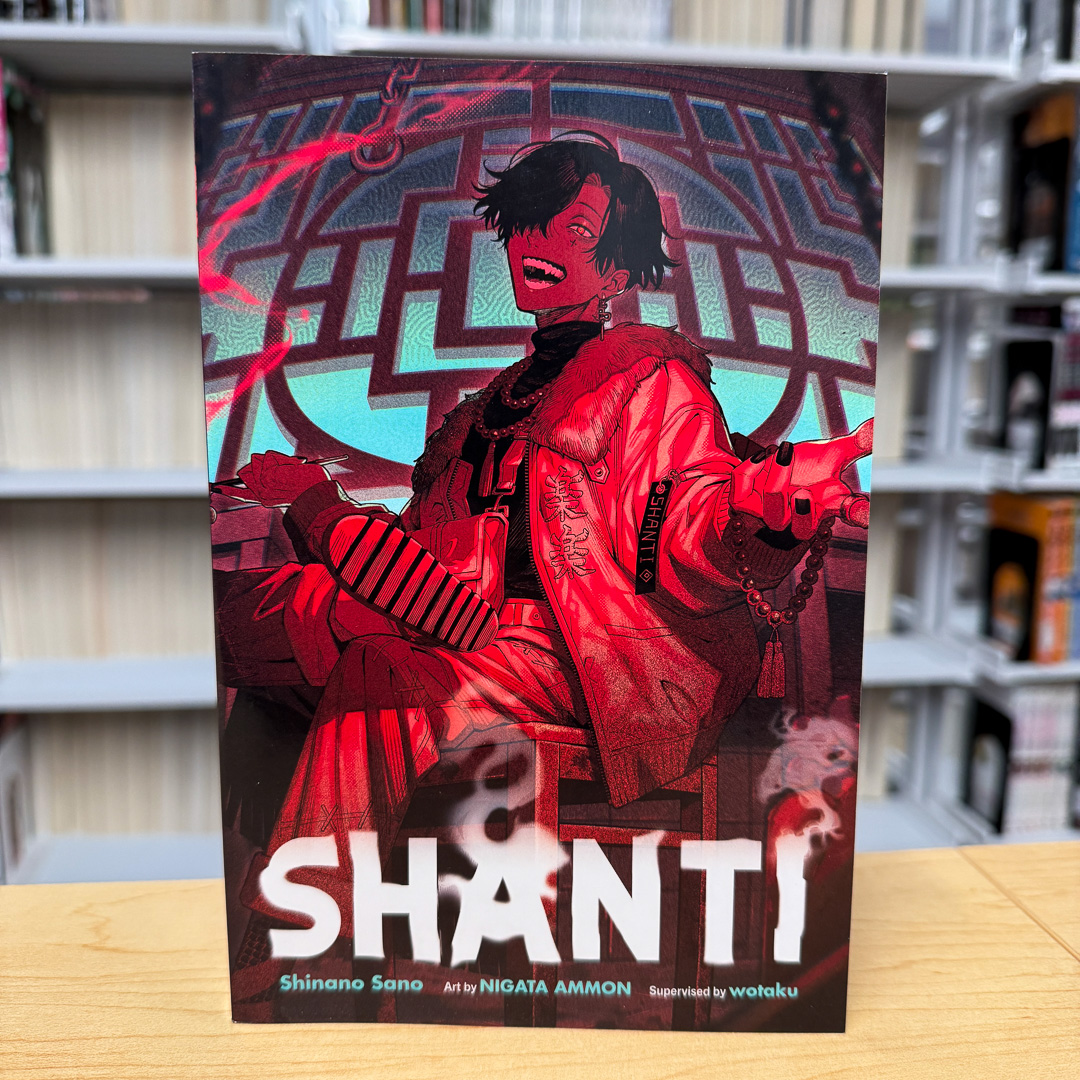
Q&A WITH THE AUTHOR OF SHANTI
The concept of a book or manga being adapted into a film/series (and vice-versa) is a well-known endeavor that allows fans to experience their favorite stories in more than one medium.
The same can be said of songs and music, although expanding upon a world that only exists in a few minutes of tunes presents its own unique challenge too. Which is why we’re excited to have had the chance to talk with Shinano Sano, the author of Shanti, which was inspired by the hit Vocaloid song of the same name, produced by wotaku.
Read on to get a glimpse into the creative process of the author. For more information on this gritty, crime novel, click here.
Hello Sano-sensei! Thank you for taking the time to answer a few questions for the English-release of Shanti.
Q1. How familiar were you with Vocaloid when you were approached to write the novelization for Shanti?
I've been familiar with Vocaloid since the early days of Nico Nico Douga. I also frequently listened to KAITO's Talkloids.
Q2. What was the creative process like when it came to expanding upon the world and story that was detailed in the song?
First, I read through the music video’s comments on YouTube and Niconico. I didn’t do it to gather quotes or interpretations for later reference, but rather to understand how the song was being received by fans. I wanted to make a conscious effort not to overlook a single element of wotaku-san’s source material. Then, while expanding on the imagery by consulting books and films from that time period, I developed the story centered around the older-brother character in the music video.
Q3. The song Mafia, also by wotaku-sensei, was released a year prior and establishes the darker, more gritty setting and story we see continued in the song and novelization for Shanti. Were there any aspects of Mafia you wanted to expand on and, if so, which ones?
What most stood out to me about Mafia was the “distortion of bonds"—that part, I think. It’s hard to tell what any of the characters are truly thinking, and there's this unique sense of distance between them. I think this theme influenced the novelization of Shanti as well.
Q4. Some writers mention listening to music to “get in the zone”—do you have a go-to genre that helps you focus?
I’m not married to one specific genre, but when I was writing the novel version of Shanti, I did listen to the song over and over again to make sure I didn't break the atmosphere of the world within the story.
Q5. Part of what makes Shanti as a novel so compelling is being able to dive deeper into this crime world and see the ramifications it has on Sangha. What kind of research did you do when it came to both the historical time period and the influence of the mafia? Was there anything you were surprised to learn?
Though I consulted a wider range of materials than the aforementioned books and films, I ultimately prioritized entertainment value over historical accuracy. I was surprised to learn that even in films from the 1930s—before The Godfather—there were already story beats and stylistic conventions that we would now ascribe to “mafia” stories.
Q6. What are you most looking forward to readers (especially fans of the song) getting out of Shanti once it comes out?
While I've adapted Shanti into a novel format, I wanted to preserve the true breadth that the song possesses. I hope that those who have heard the song before will enjoy and engage with the novel as a new facet of the story, while also comparing it with their own interpretations.
SHARE:



Get the latest news
You will never miss updates if you subscribe to our newsletter.